
Christmas Tree Syndrome & Mold
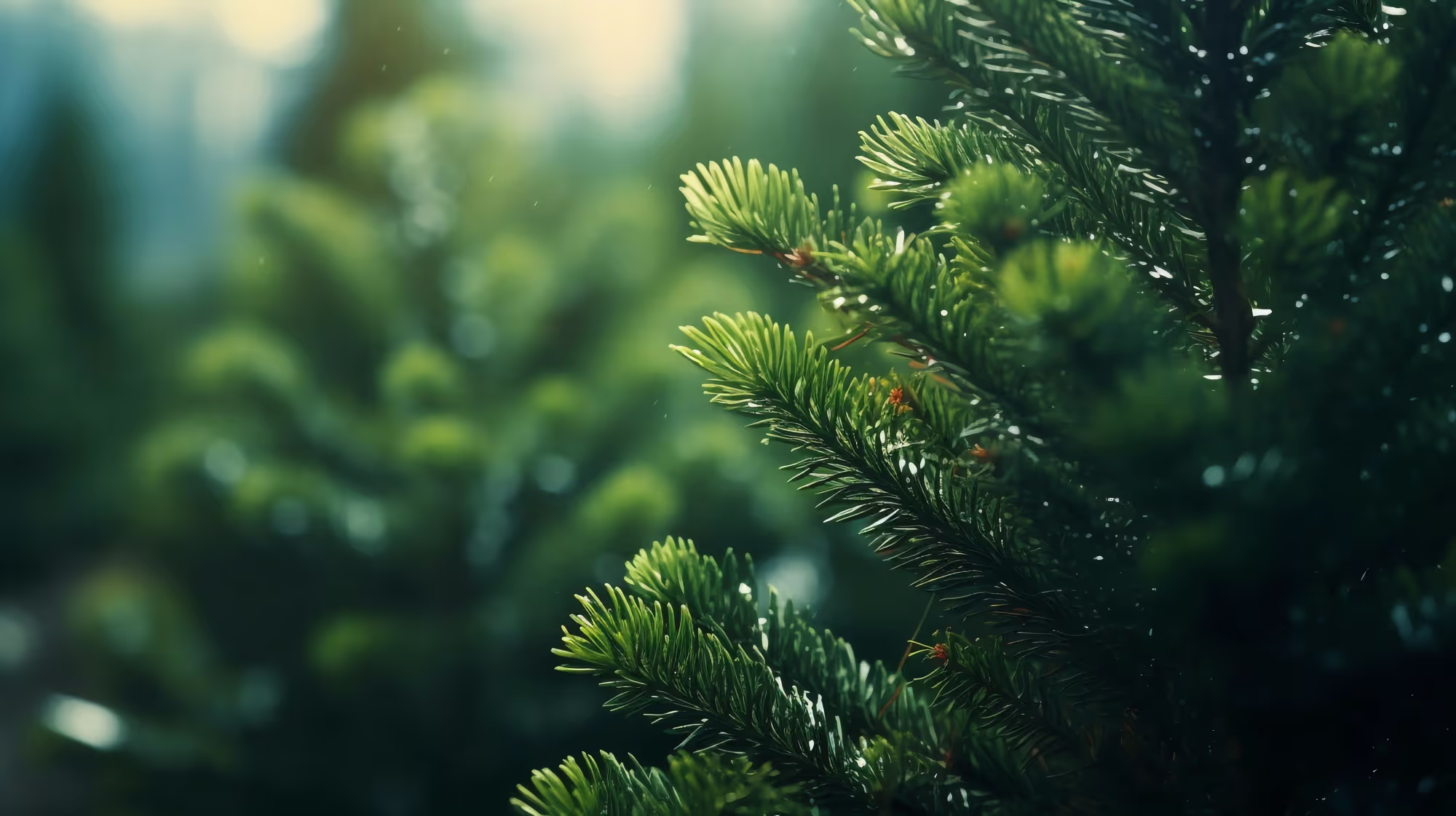
One of a great things about a real Christmas tree is the aroma it gives off. Nothing says Christmas like the smell of fresh pine, fir or spruce. This festive scent is produced by oleoresin, a sap-like substance that protects the tree from pests in nature.
But while you may enjoy the sight and smell of a live tree, it could be making you sick.
It’s estimated that about 7% of people with allergies also suffer from Christmas Tree Syndrome, an allergy that surfaces when the person is exposed to live Christmas trees. Oleoresin and other substances may be to blame, and it can be difficult to determine what it is about the tree that actually triggers the reaction.
What is Christmas Tree Syndrome?
Symptoms of Christmas Tree Syndrome include the following:
- Coughing
- Congestion
- Sneezing
- Runny nose
- Itchy, watery eyes
- Dry, itchy skin
Christmas Tree Syndrome is just another allergy and can be treated with over-the-counter antihistamines and immunotherapy, but if you want to avoid sniffling and sneezing through the holidays, you might want to opt for an artificial tree instead.
How Live Christmas Trees Can Lead to Mold Exposure
Besides being allergic to the Christmas tree itself, other factors can cause allergic reactions in humans and animals.
Mold
It’s impossible to treat every trace of mold from your home because spores travel so easily on the air and our clothing, shoes, and pets. But there are ways to prevent it from becoming a huge problem.
Mold is a major concern when you bring a live tree or plant into your home because of the added moisture. If you have ever noticed a white substance on the soil or pot of an indoor plant, that’s mold. So how does a live Christmas tree put you at risk for mold exposure?
Pre-cut trees
Trees are cut down weeks before Christmas so they can be baled and sent to Christmas tree farms around the country. Once the trees are wrapped (often in plastic), moisture is trapped inside. This is the perfect environment for mold to grow undisturbed for weeks until you unwrap the tree and bring in into your living room.
Freshly cut trees
There is danger of mold exposure with freshly cut trees as well. Mold is a living organism often found in soil and on plants because it requires moisture and organic matter to live.
Therefore, when you bring a tree in from outside —whether you cut it down at a Christmas tree farm or from your own property — there’s a good chance that it has mold on it.
Cutting down your own tree doesn’t thoroughly remove the risk of Christmas Tree Syndrome or an allergic reaction to mold or pollen, but it can reduce the chance of your tree having excess mold from being baled for too long.
Pollen
Pollen can also cause allergic reactions when a live tree is present. This is different from a mold or Christmas Tree Syndrome reaction, but the symptoms can be similar for all three conditions, making it very difficult to diagnose and treat.
Pine pollen (minor risk)
There may be some native pollen left over on your tree, but for the most part, pine pollen isn’t a huge allergy trigger during the holidays because evergreens pollinate during the spring, not late fall to early winter when Christmas trees are harvested.
Grass pollen (moderate risk)
Because grass is so prevalent and different varieties can thrive throughout the year in many parts of the country, grass pollen poses a moderate risk to allergy sufferers during the holiday season.
Pollen from grasses stick to tree sap during the spring and summer. After a tree is harvested, the sap dries and releases the pollen into your home.
Ragweed (major risk)
Ragweed is the main pollen you have to worry about on your Christmas tree because it is so common, especially in the Eastern and Midwestern United States.
There are around 20 species in the ragweed family, and all of them cause allergic reactions. Ragweed produces massive amounts of pollen which travels by air and can lay dormant for years.
Ragweed blooms in late summer to early fall, just before the holiday season.
Avoiding Christmas Tree Syndrome
The most obvious way to avoid exposure to tree sap, pollen, and mold is to get an artificial tree. They can be cleaned and sanitized, and they carry no outside allergens.
However, if you are set on having a real tree for Christmas, you’re not alone. Between 25 and 30 million live trees are purchased every year in the U.S. In that case, there are several things you can do to reduce the risk of mold, sap, and pollen causing an allergic reaction or Christmas Tree Syndrome:
- Wipe the trunk and larger limbs with a bleach and water mixture before bringing it inside. The bleach will treat most organisms.
- Use a leaf blower to clean the tree off outside. This will also remove dust and needles that were close to falling off anyway.
- Don’t keep the tree after Christmas. Get rid of your tree as soon as Christmas festivities are over. There are organizations that collect trees, or you can keep it for many creative outdoor uses after the holidays.
- Run an air filter while your tree is up. This will help filter out some of the allergens and particles that can cause a reaction.
The most important thing you can do to ensure your home is dependable is schedule a mold inspection after Christmas. After you are finished with your tree, there will be an elevated risk of mold in your home due to the tree bark, needles, and excess water needed to keep your tree looking good for weeks.
Pure Maintenance of Central Illinois can ensure that mold levels within your home are normal and dependable. If not, they are capable of removing mold colonies and restoring normal mold levels. A mold specialist can also advise you about your home’s risk factors so you can take action to prevent mold all year long.